Data
December 13 2021


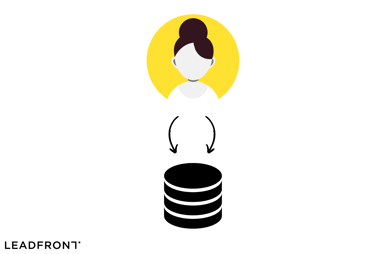
First-party data is information that you collect on your own channels. It is data from your customers and leads. Some advantages of first-party data are that the data quality is considered high, it is free and it is owned by you.
Website
Customer feedback
CRM system
First party cookie
App
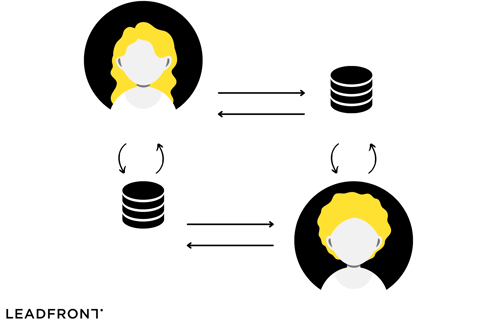
Second-party data is someone else's first-party data that you pay for. It involves creating a partnership with a company that has data that is interesting to you.
Unlike first-party data, the quality of this data can vary, you pay for it and it is owned by someone else.
Imagine you own a moving company. Here, data from a brokerage firm would be of interest to you. You would then be able to get information about when a potential customer is moving and where they are moving to. With this information, you could contact them with a relevant message at the right time.
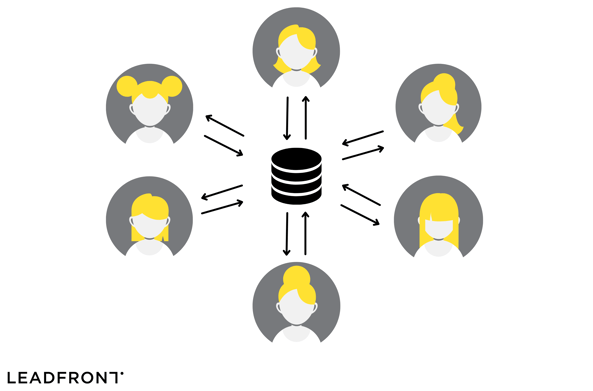
Third-party data is data that you buy from a company that does not own the data itself. It is data from multiple sources that is collected and then resold.
Like second-hand data, this data is not free and is not data that you own. When it comes to data quality, it is variable and a bit of a question mark.
The difference between second- and third-party data is that second-party data is owned by the person you buy it from, while third-party data is bought by a company that doesn't own the data, but has in turn bought someone else's first-party data.
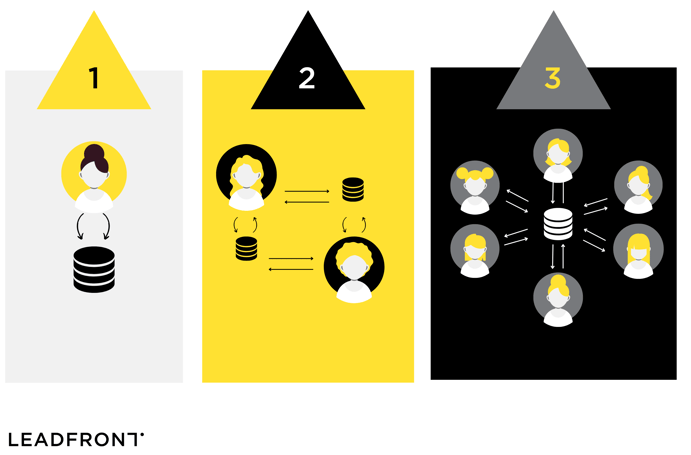
First-party data is the data you collect and own yourself.
Second-party data is the data someone else collects and owns that you then buy.
Third-party data is first-party data that someone who doesn't own it collects and then resells.
Third-party data and third-party cookies are not the same thing.