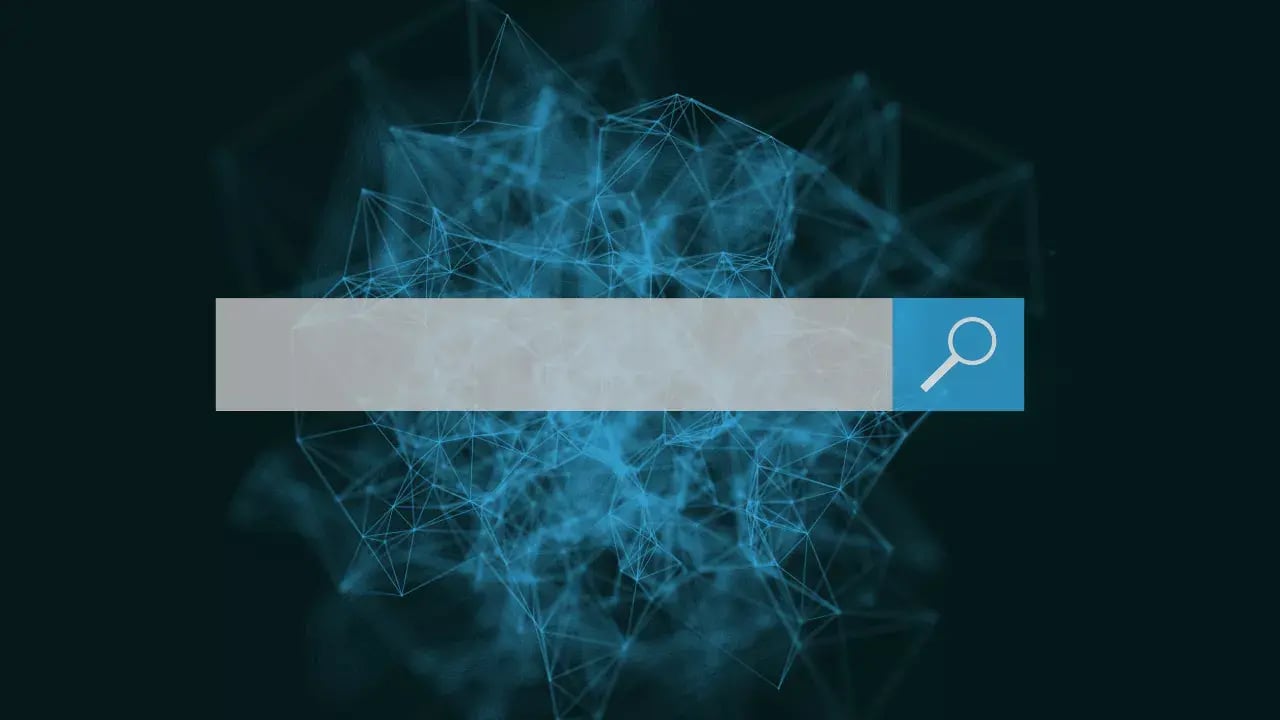
If you build products or run sites, you’ve probably noticed something: people aren’t just Googling anymore, they’re asking AI. ChatGPT, Perplexity, Copilot, Gemini… all of them are becoming the new gateways to information.
Introduction
AI-powered assistants are replacing traditional search engines. More users are getting answers from ChatGPT, Claude, Perplexity, and Google AI Overviews than ever before. Traditional search is at serious risk of being replaced by AI
AEO or AI engine optimization is the process of optimimizing your website for visibility in chatGPT, Google Gemini, Claude, Perplexity, DeepSeek, etc.
The main parts of AEO is a combination of new methods like JSON-LD Schemas and LLMS.txt files and traditional SEO and Web Accesibility standards. The goal is to create a website that LLMs can easliy index, query, and give users up-to-date information about.
Here’s the quick comparison:
SEO → optimize for search engines (Google, Bing).
AEO → optimize for answer engines (ChatGPT, Perplexity, Copilot).
SEO metrics → impressions, clicks, rankings.
AEO metrics → mentions, citations, visibility inside AI answers.
The fundamentals are the same, good content, solid backlinks, structured data, etc. But the context is different. Instead of keywords like “best Node.js frameworks”, AEO targets questions like “What’s the best backend stack for a startup?”
You’re writing for humans talking to machines, not humans searching on Google.
Why this matters
People aren’t clicking through search results like before. They’re reading summaries generated by AI models. If your brand, project, or blog isn’t part of those summaries, you’re invisible.
The challenge: You can’t just “SEO” your way in
There’s no magic keyword trick for AEO. Tracking is messy. The tools are new. And every model pulls from different sources. You can’t just throw a sitemap at ChatGPT and expect it to crawl you.
That being said, there are practical steps you can take.
New practices to be aware of
AEO introduces some new concepts to the SEO game, at it’s core it boils down to giving information to AI Crawelers in a structured and machine readable format. This can be done with two main new methods.
-
JSON-LD Schemas
-
LLMs.txt
JSON-LD Schemas
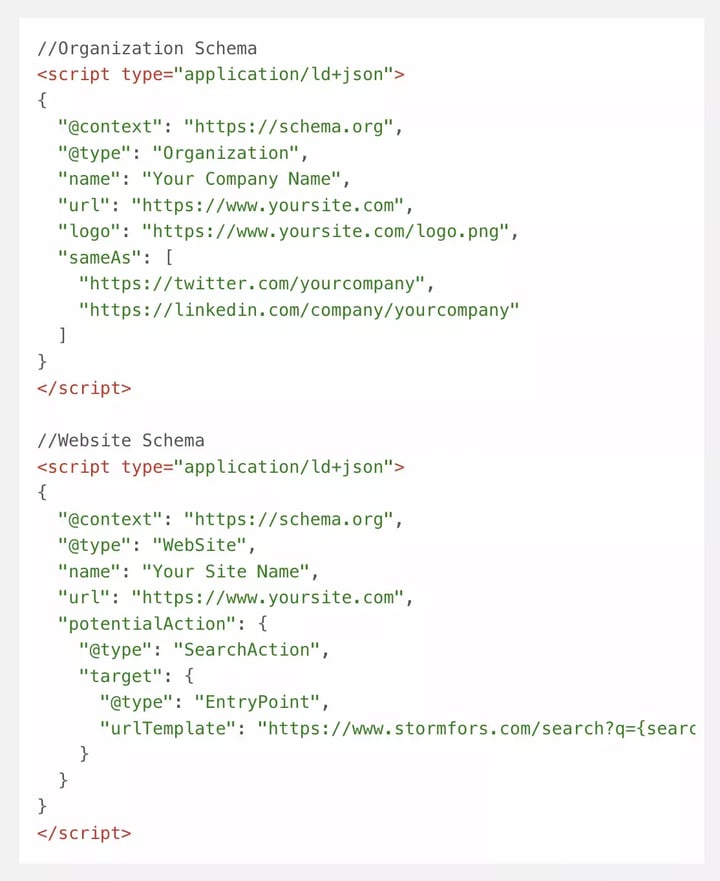
This is structured data in JSON format (machine readable), that gives information about your company and your services. They are based on a standard set by schema.org a foundation with a mission to create, maintain, and promote schemas for structured data on the Internet. It was founded by people from Google, Microsoft, Yahoo and Yandex.
JSON-LD Schemas can look something like this:
LLMs.txt
LLMs.txt is a similar effort focused on a specific new file formatted specifically for Large Language Models crawling your website (AI Crawlers). The goal is to reduce the context window required to get all the key information about your business. You can read more about it here: llmstxt.org
LLMs.txt files can look something like this:

How to start with AEO
Get your basics right. Make sure your site is crawlable, fast, and indexable. Good internal links, clean structure, schema markup (FAQ, Article, etc.). Audit your current site with online tools like this one
Write for questions, not just keywords. Use conversational phrasing. Think in prompts: “How do I…?”, “What’s the difference between…?”, “Which tool should I use for…?”
Add real value, AI models love unique data and credible sources. Publish research, code snippets, benchmarks, things that other sites (and people) might reference.
Earn citations. Get your content mentioned or linked from trusted sources. The more your brand shows up in reputable data, the more likely it ends up in AI answers.
Track mentions manually (for now), until analytics catches up, you’ll have to check manually. Search your brand or topic in ChatGPT, Perplexity, Copilot, etc., and see if you’re referenced.
Iterate, like SEO, AEO takes time. A few weeks to a few months depending on how visible your content already is.
AEO isn’t replace SEO... yet
Think of it as another layer on top of your SEO stack. If you’re already optimizing for users and quality, you’re halfway there. AEO just means thinking about how AI engines find and quote your content.
This post is written by Felix Hellström at Stormfors.